

Band saw evolution: Small changes, big impact
Manufacturers refine dust control, motor consistency and guide systems to enhance workflow in professional and small woodworking shops.
The band saw remains a central tool in both professional and small woodworking shops, valued for its versatility and reliability. While the core technology of the band saw has stayed largely consistent over recent years, a few manufacturers have introduced refinements that improve usability, precision, and workflow.
These updates range from incremental adjustments in dust management and fence systems to refinements in guide interaction and motor control. In the following pages, we examine the features and models that stand out for their thoughtful enhancements and practical impact in the shop.
Frames and construction
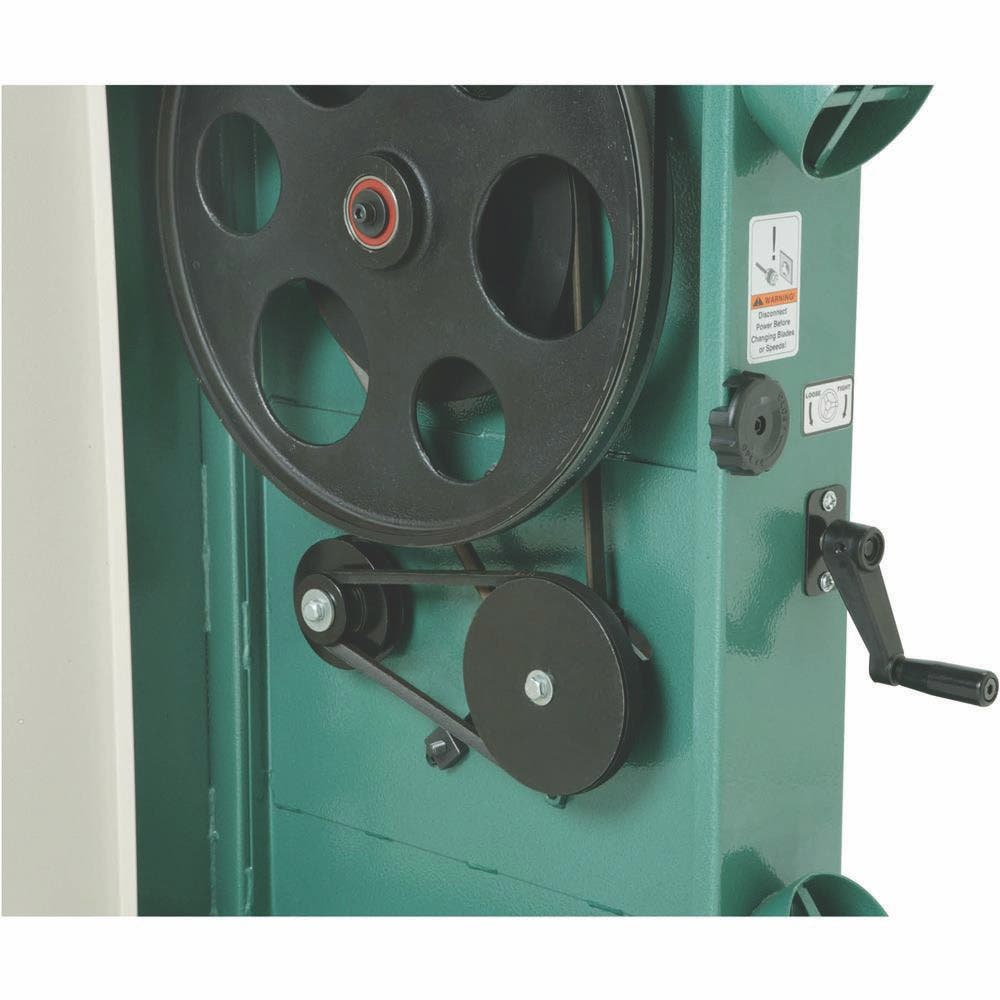
Cast‑iron frames were once synonymous with premium build quality, prized for rigidity and vibration control. Over the past decade, welded steel frames have matured to offer equivalent stiffness while being lighter and easier to ship.
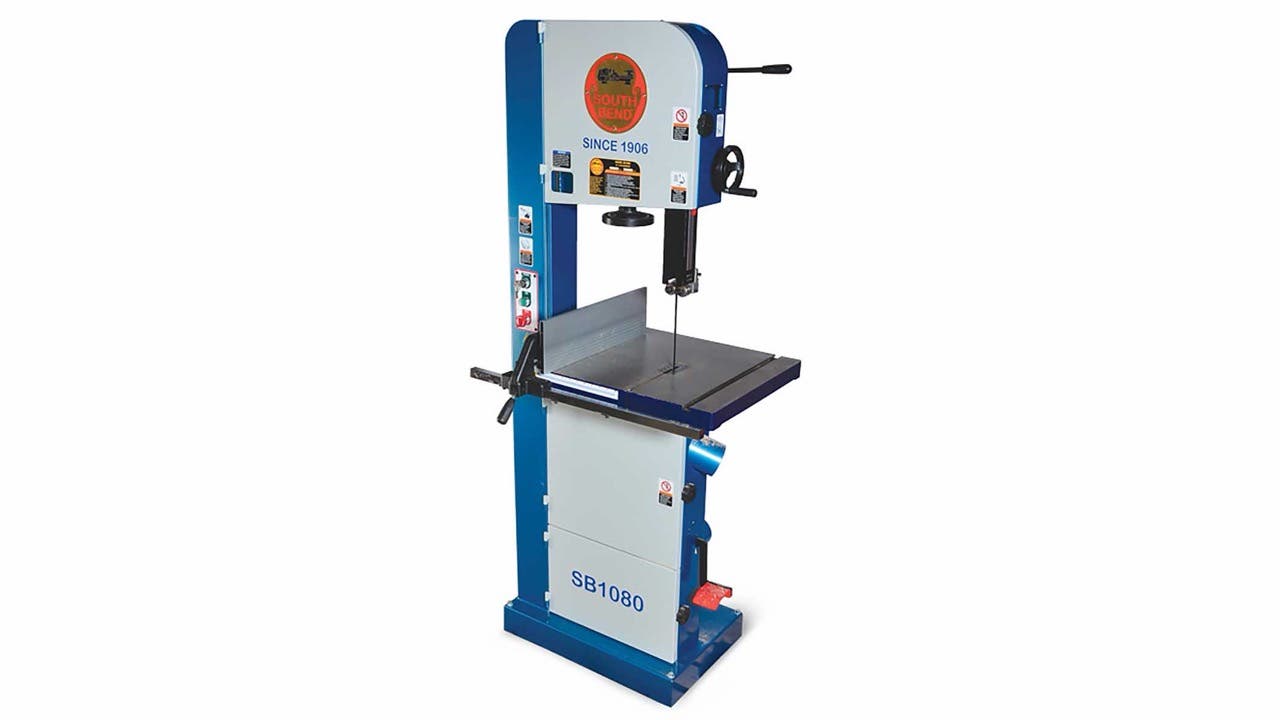
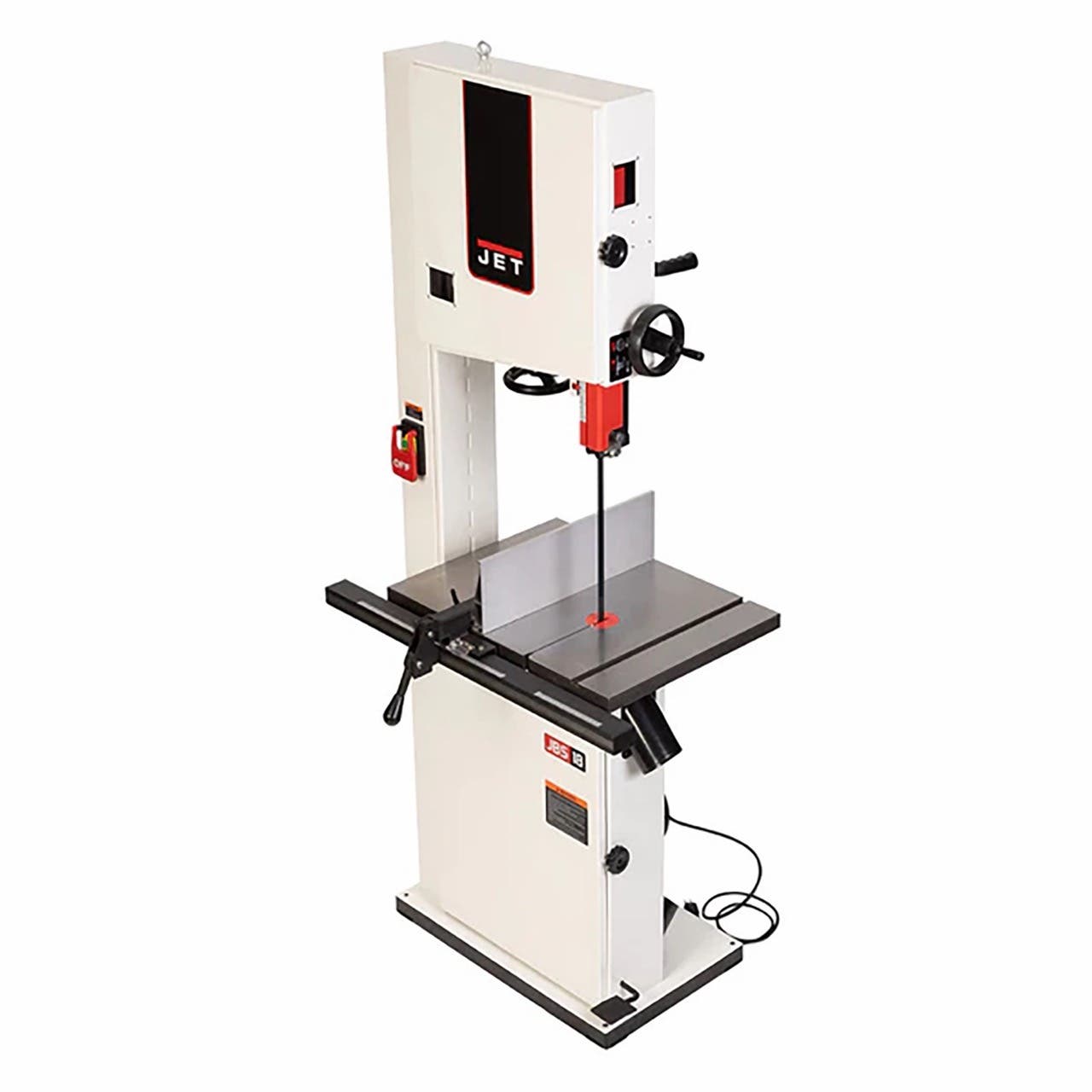
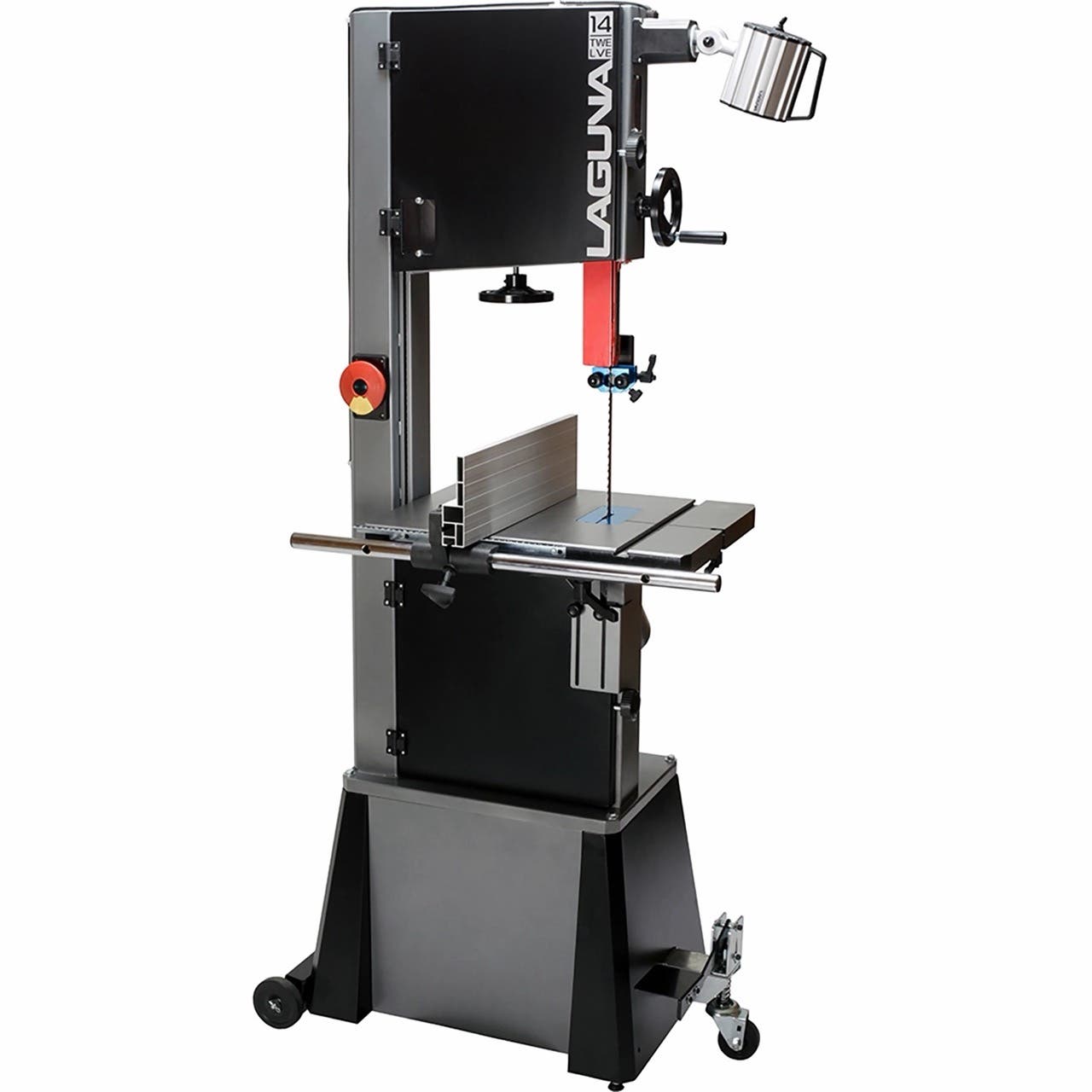
Nearly every major brand — including Harvey, Laguna, SCM, and Felder — uses steel frames on full‑sized saws, with cast iron largely confined to a few 14‑inch models. Notable cast‑iron exceptions include the Jet JT9‑708115K and Grizzly Industrial’sG0555LX, while steel‑framed alternatives such as the Powermatic PM1500 and Jet JWBS‑14DXPRO (1.75-hp steel frame)dominate other segments. The evolution toward steel has allowed designers to integrate dust ports, built‑in mobility, and more compact footprints without sacrificing stability.
Blade guides and table movement
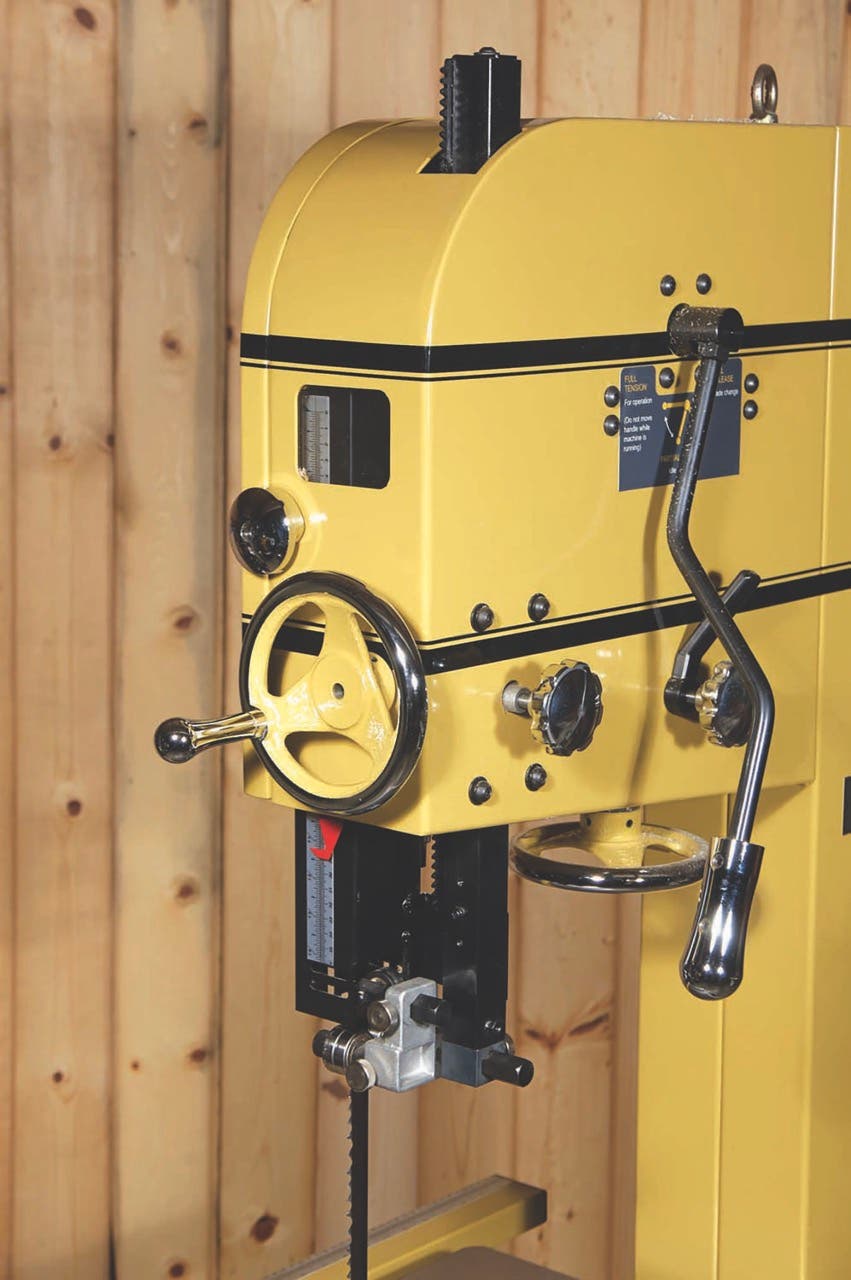
Blade guidance technologies themselves have not dramatically changed: bearing guides dominate North American and Asian machines, side disks appear on Italian builds, and ceramic guides provide longevity on higher‑end models.
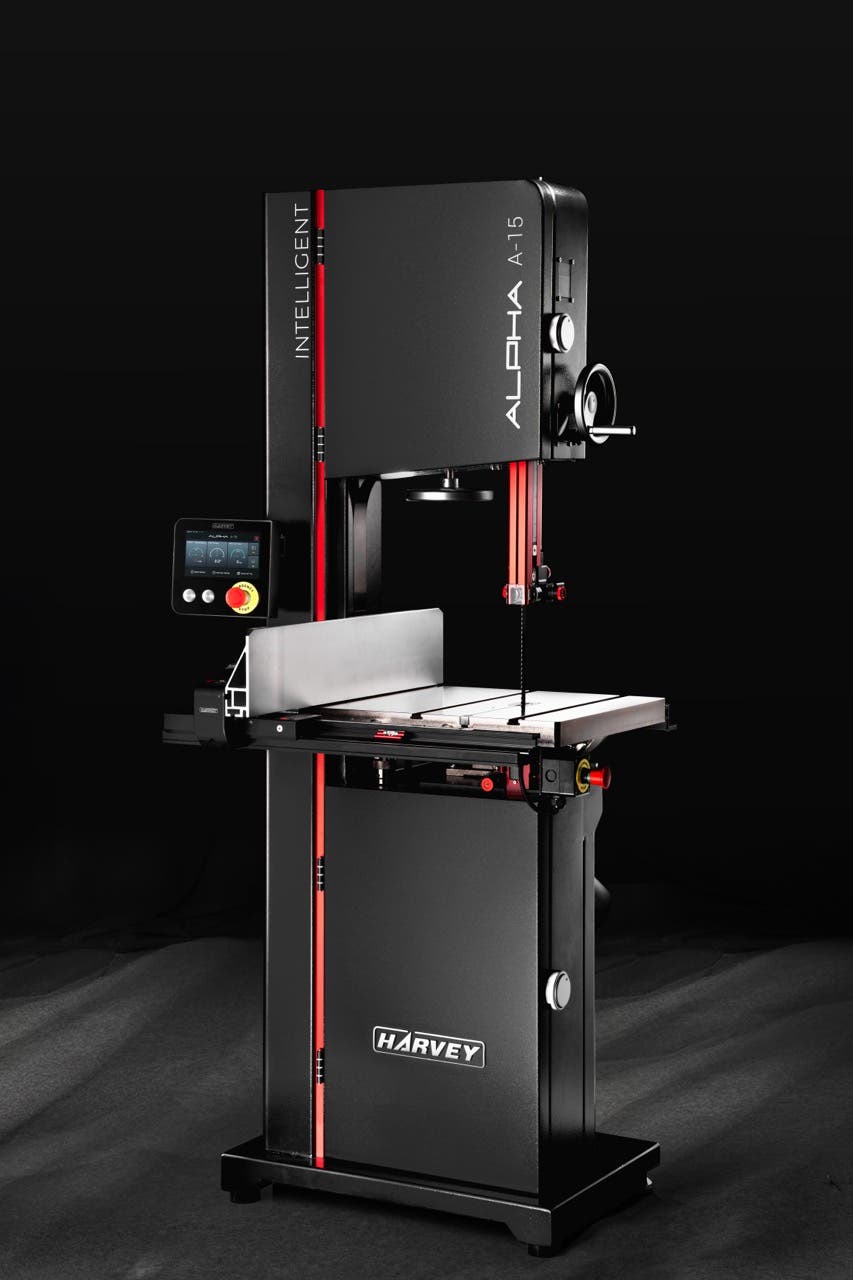
The Harvey Alpha A‑15 introduces meaningful improvement in guide and table interaction. Its lifting assembly maintainsalignment of the blade guides during vertical travel, and tool‑less indexing allows rapid switching between blade widths. Coupled with a digital touchscreen interface that monitors blade speed and tension, the Alpha A‑15 reduces setup time, improves tracking consistency, and enhances precision for shops that frequently change blade sizes or material dimensions.
Other makers continue to use reliable but traditional rack‑and‑pinion or lever-trunnion and guide systems without fundamental changes over the last 24 months.
Motors and speed control
Horsepower figures have stabilized across most band saws, but manufacturers now emphasize consistent cutting speed under load.
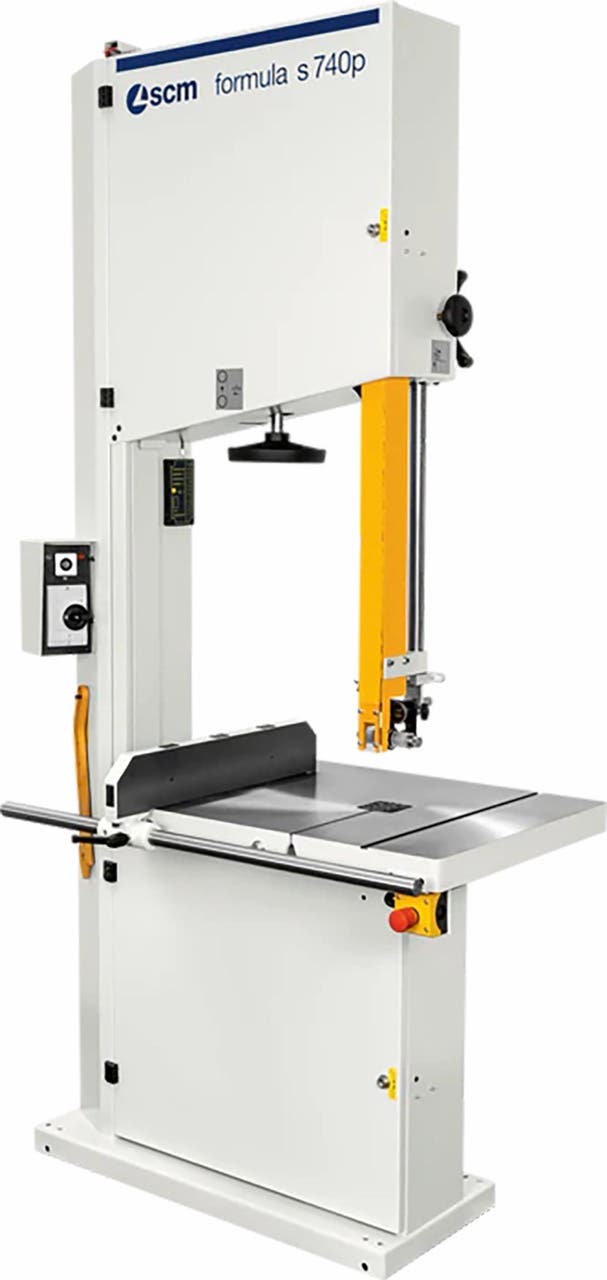
The Alpha A‑15’s electronically regulated motor helps sustain RPM even during dense resawing. Laguna’s 18|BX and 18|CXmodels emphasize smooth RPM control, with the latter offering variable speed capability. SCM’s Formula S line provides electronically controlled motors for professional‑level cutting, while Felder’s 14‑ to 18‑inch machines offer micro‑adjustability.
Controlled motor systems improve cut quality, reduce blade deflection, and extend component life without requiring heavier motors.
Dust collection and shop health
Dust management is increasingly treated as an integral feature rather than an accessory.
Laguna’s 18‑inch models route chips and fine particles directly into collection systems, minimizing residue in the lower housing. Felder’s FB 710 uses integrated dust ports and sealed guide covers to maintain visibility while channeling debris efficiently. Grizzly’s G0640X offers dual 4″ dust ports — upper and lower — providing more flexible collection options than single‑port setups, particularly when paired with a shop vacuum or central collector.
Even value‑focused machines now integrate effective dust solutions, which benefit both operator health and machine longevity.
Fences and cutting capacity
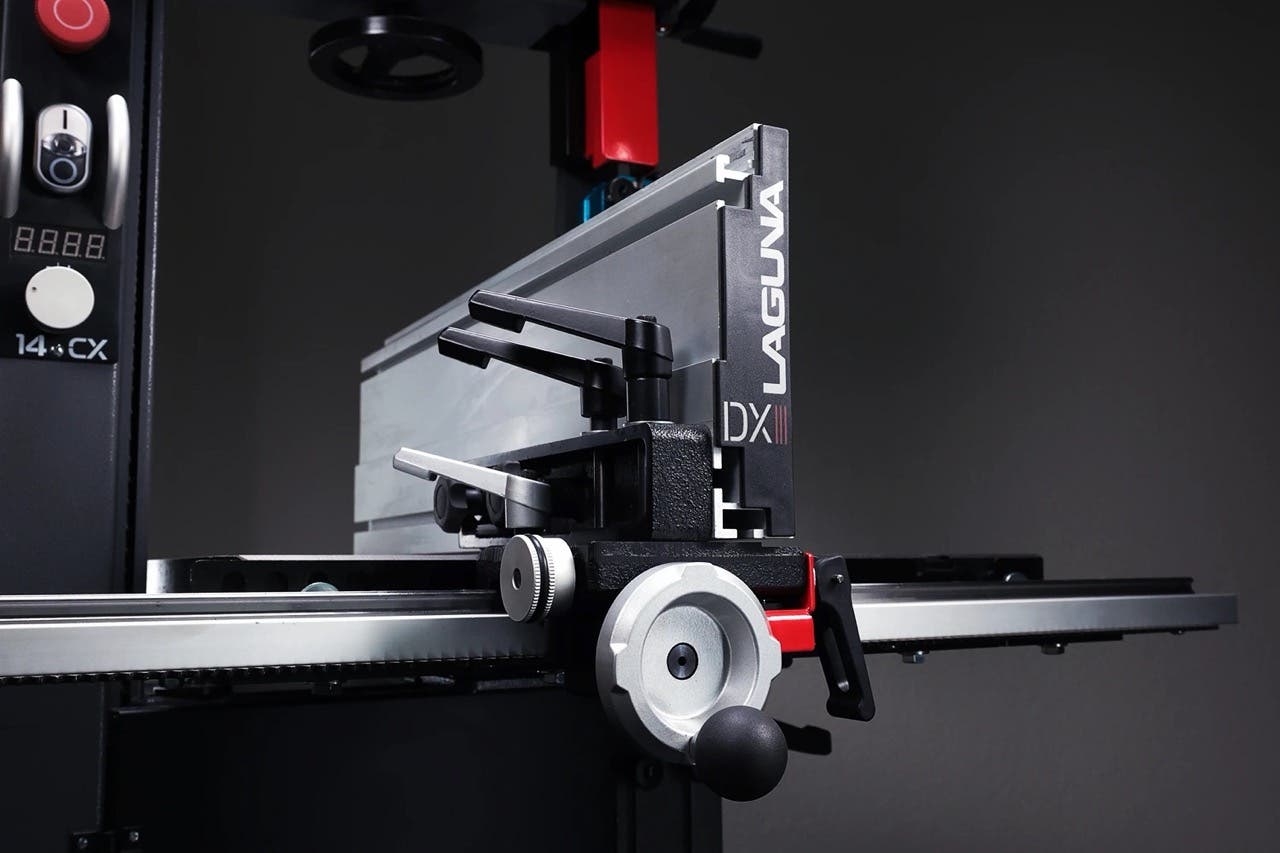
Fence design has seen practical refinement. Laguna’s DXIII DriftMaster system provides precise linear adjustments and smooth indexing for repeatable resaw and rip cuts. Powermatic’s PM1800B and larger Laguna 18‑inch saws accommodate wide stock with minimal drift.
Most manufacturers focus capacity around 14‑, 16‑, and 18‑inch wheels, with larger 20‑ and 24‑inch verticals serving niche production needs.
Why these innovations matter
Incremental improvements collectively elevate performance. Controlled motors reduce chatter and blade wear; improved dust routing saves cleanup time and protects shop health; and user‑friendly fences and guide systems minimize setup errors. Shops running multiple shifts or high volumes experience measurable productivity gains; hobbyists and small‑shop owners benefit from smoother, faster workflows and cleaner environments.
Today’s bandsaw market balances tradition with forward‑thinking engineering. Cast‑iron purists still have options, while most shops benefit from versatile steel frames. Blade guide usability, motor consistency, fence precision, and dust collection all contribute to a more refined cutting experience. Across production floors and home workshops alike, the thoughtful innovations of recent years demonstrate that bandsaws will continue evolving in both expected and practical ways, reinforcing their central role in modern woodworking.
Originally published in the March 2026 issue of Woodshop News.