
The agile cabinetmaker
Kirti Agrawal acquired Steven Cabinets in 2021, implementing agile methodology and project management software to modernize operations. The company, specializing in high-end custom cabinetry, aims to increase commercial work and expand its showroom. Despite challenges, including the pandemic and rising rent, Agrawal remains optimistic about the company’s growth prospects.
Steven Cabinets, a high-end residential cabinet shop, has operated in the Minneapolis-St. Paul area since 1964. The Minneapolis company underwent significant changes after Kirti Agrawal acquired it in 2021.
"Steven Cabinets has grown and adapted over the years, incorporating lean manufacturing and agile tools that can significantly benefit small cabinet shops like ours. I believe our journey, spanning six decades of dedicated service and quality, would be inspiring for other shops," Agrawal said.
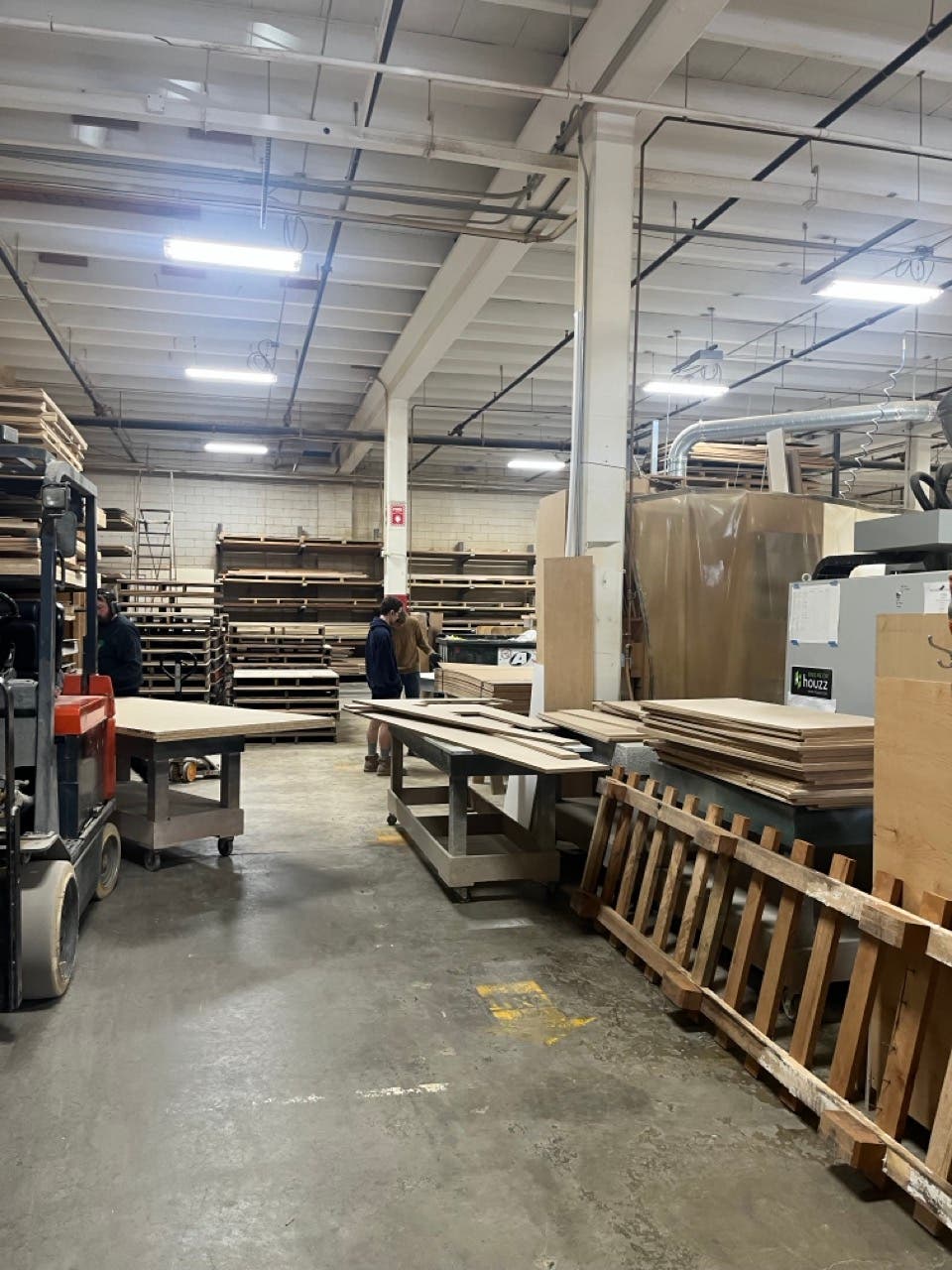
The business operates from a 20,000-sq.-ft. industrial building in downtown Minneapolis and employs 20 full-time workers.
Building on legacy
Ken Steven founded the company, and his son, Doug Steven, took over in the 1970s. As the business grew, it moved multiple times before settling at its current location in 2000. Doug Steven put it up for sale in 2021.
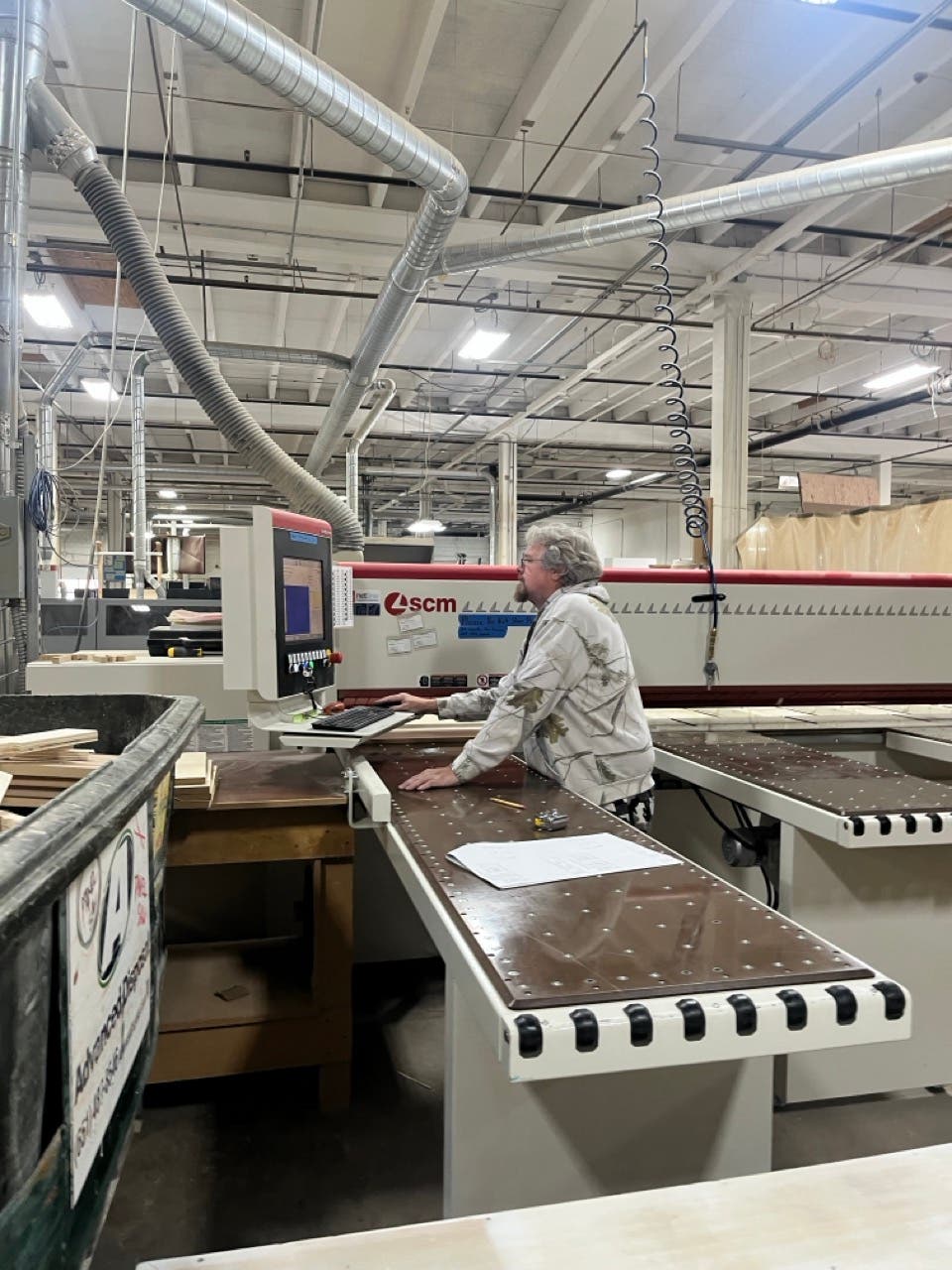
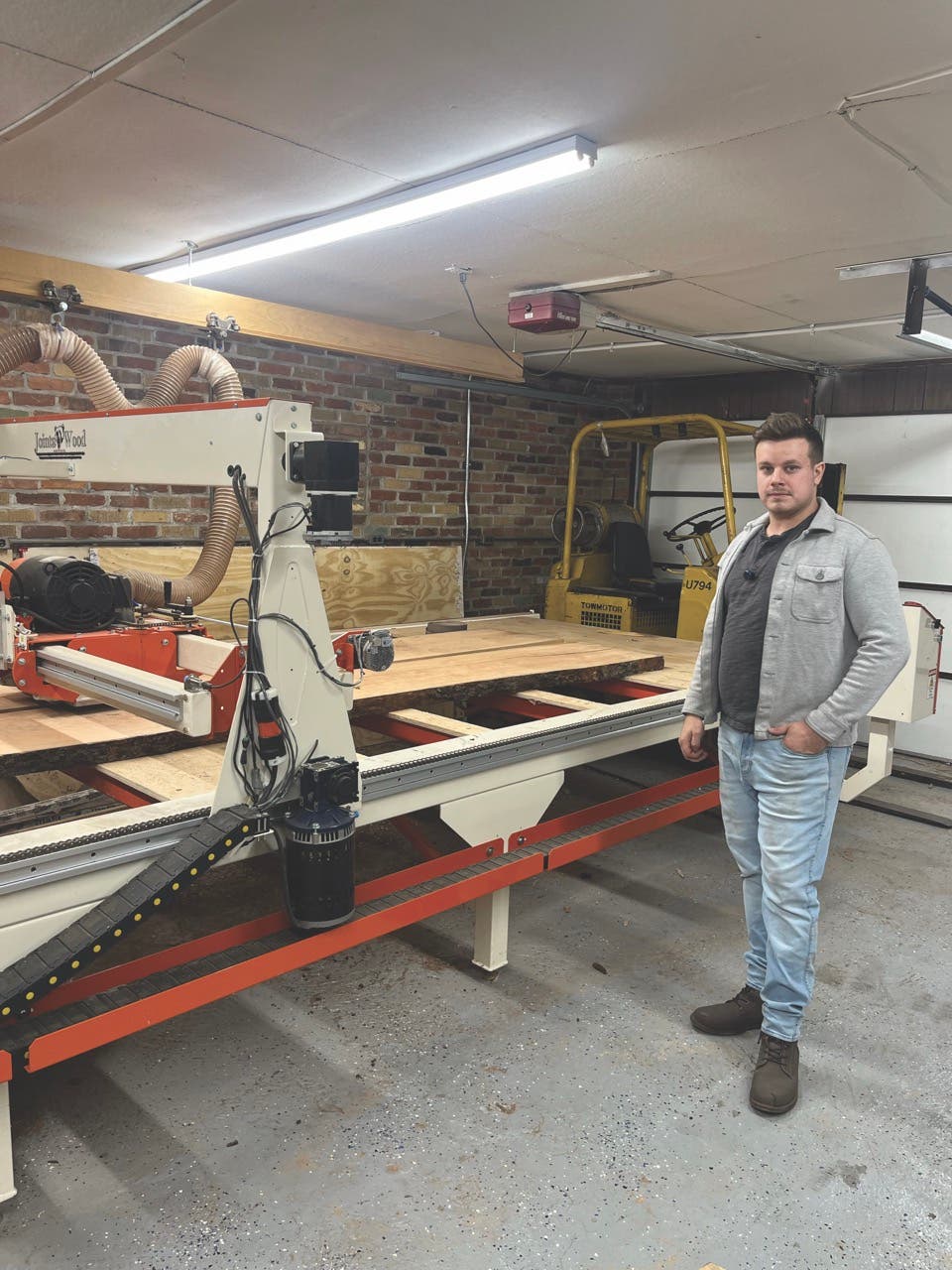
shop’s SCM beam saw.
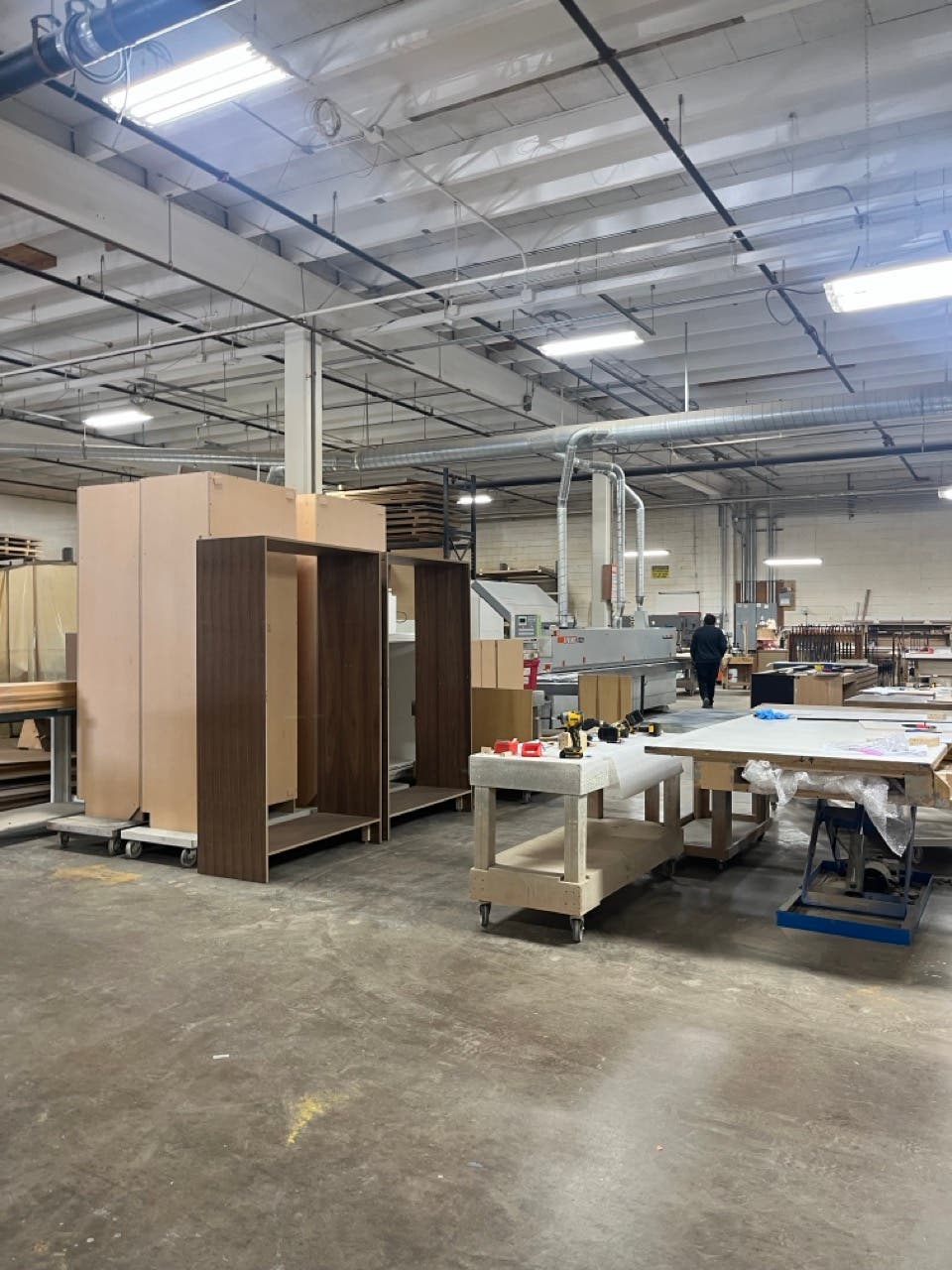
out of a 20,000-sq.-ft.
industrial building in
downtown Mineapolis
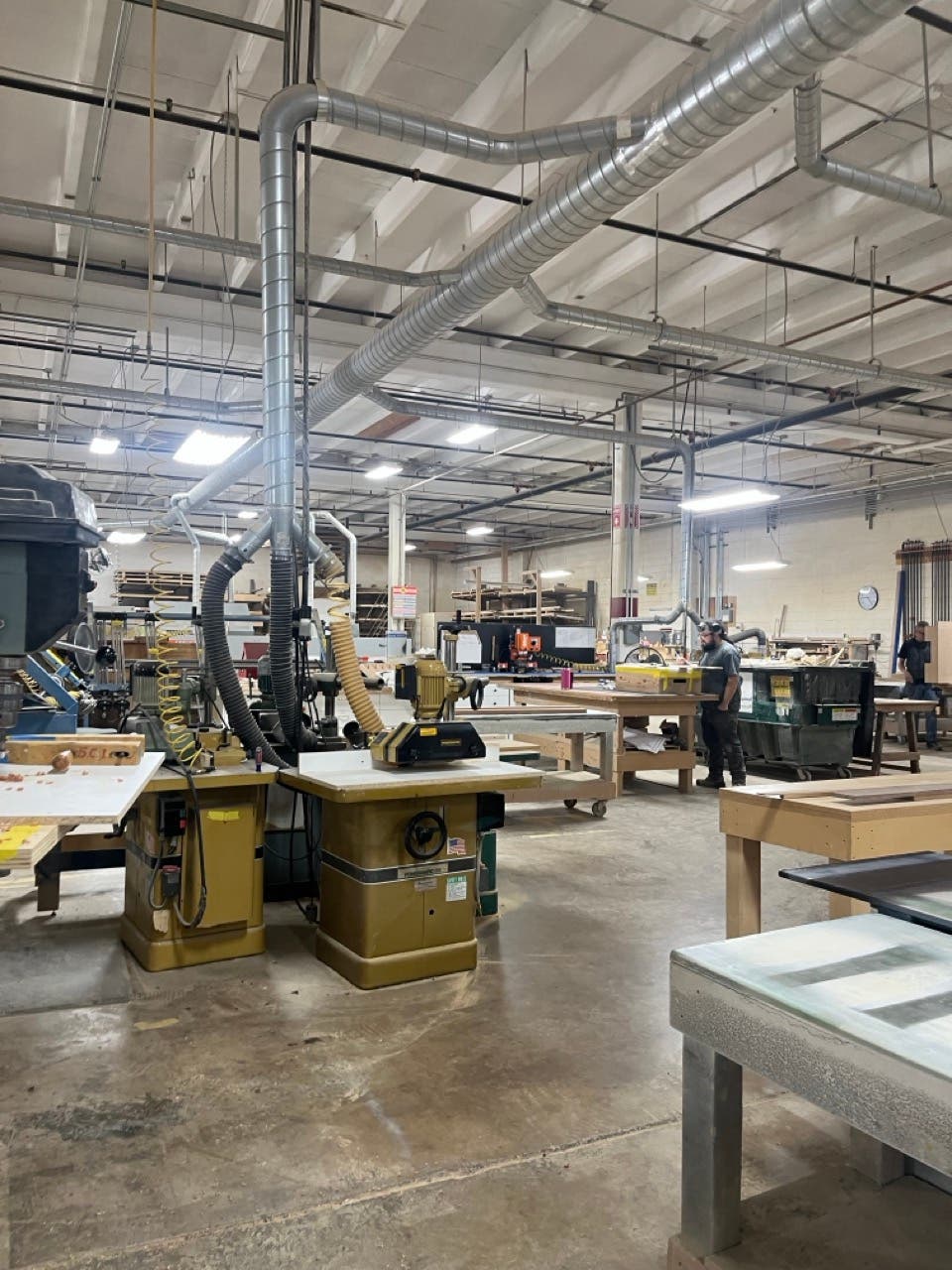
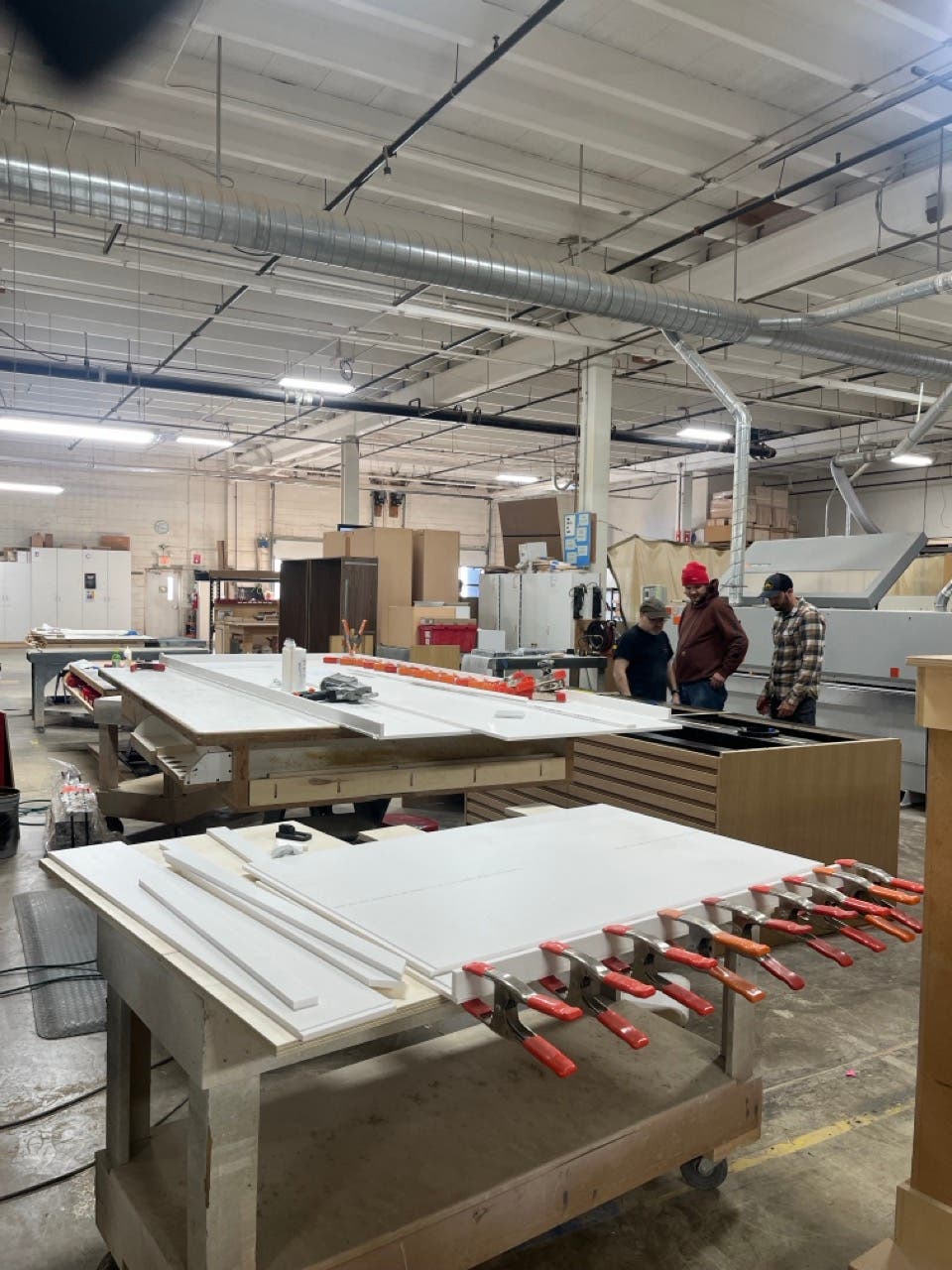
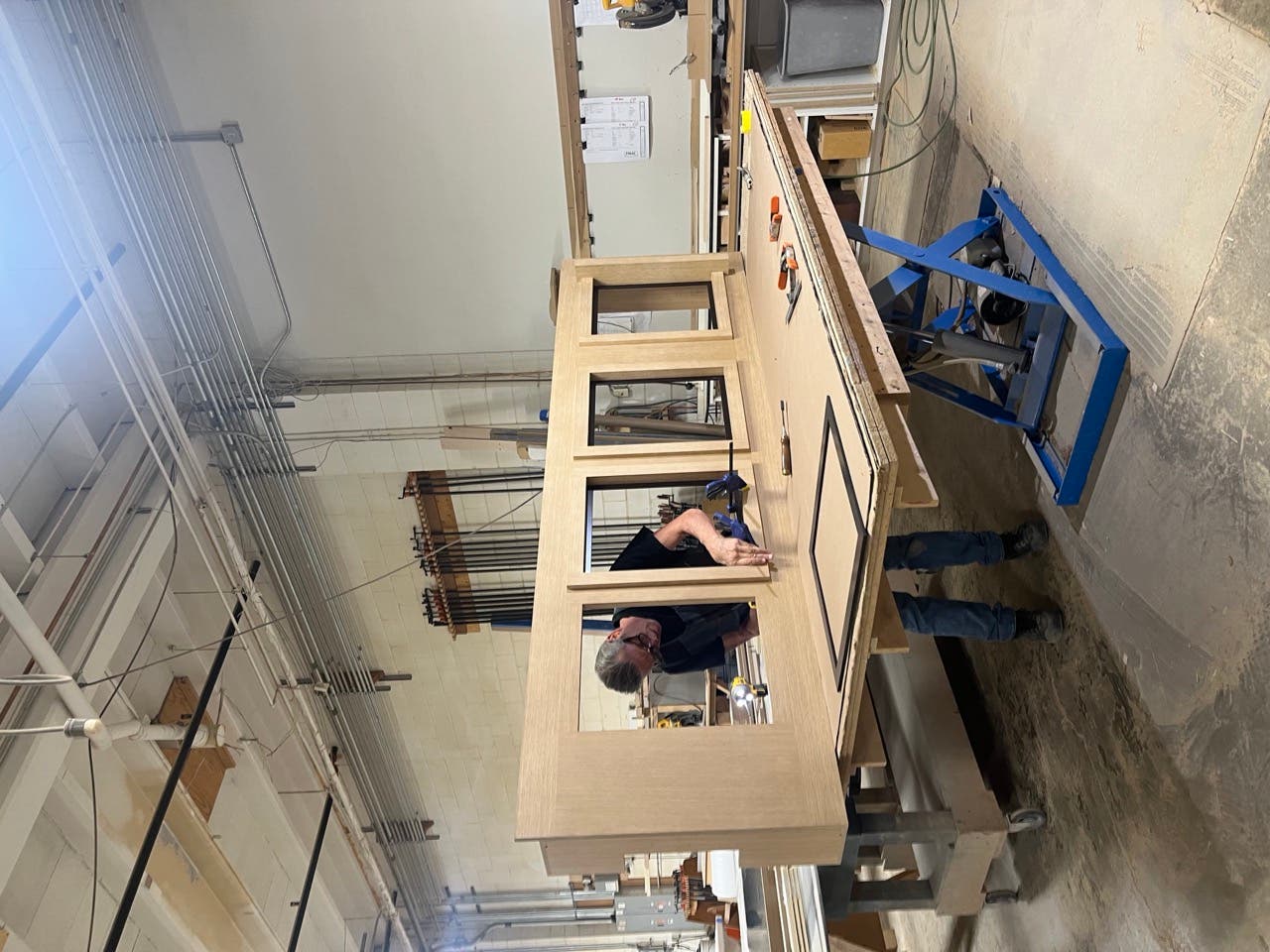
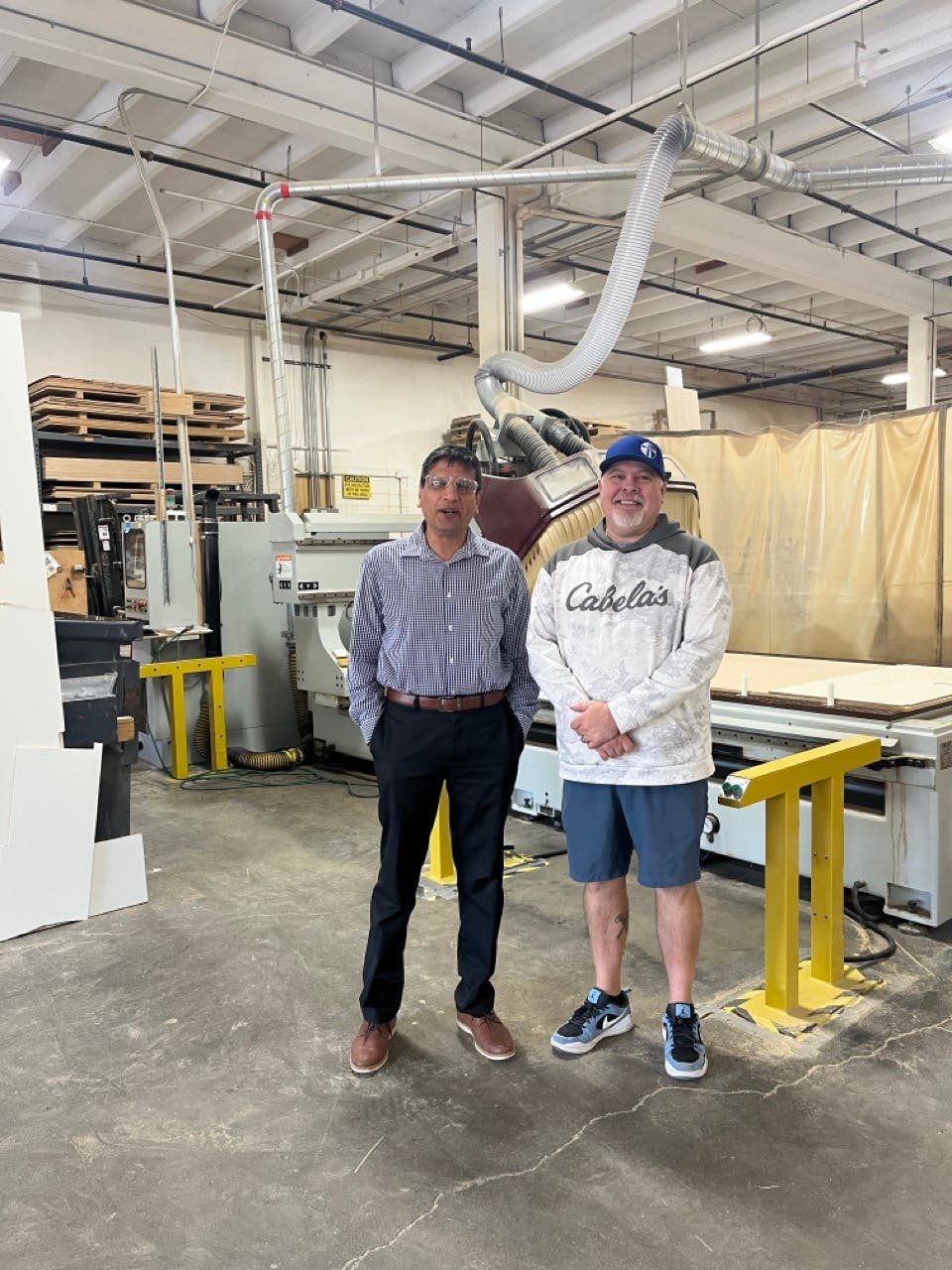
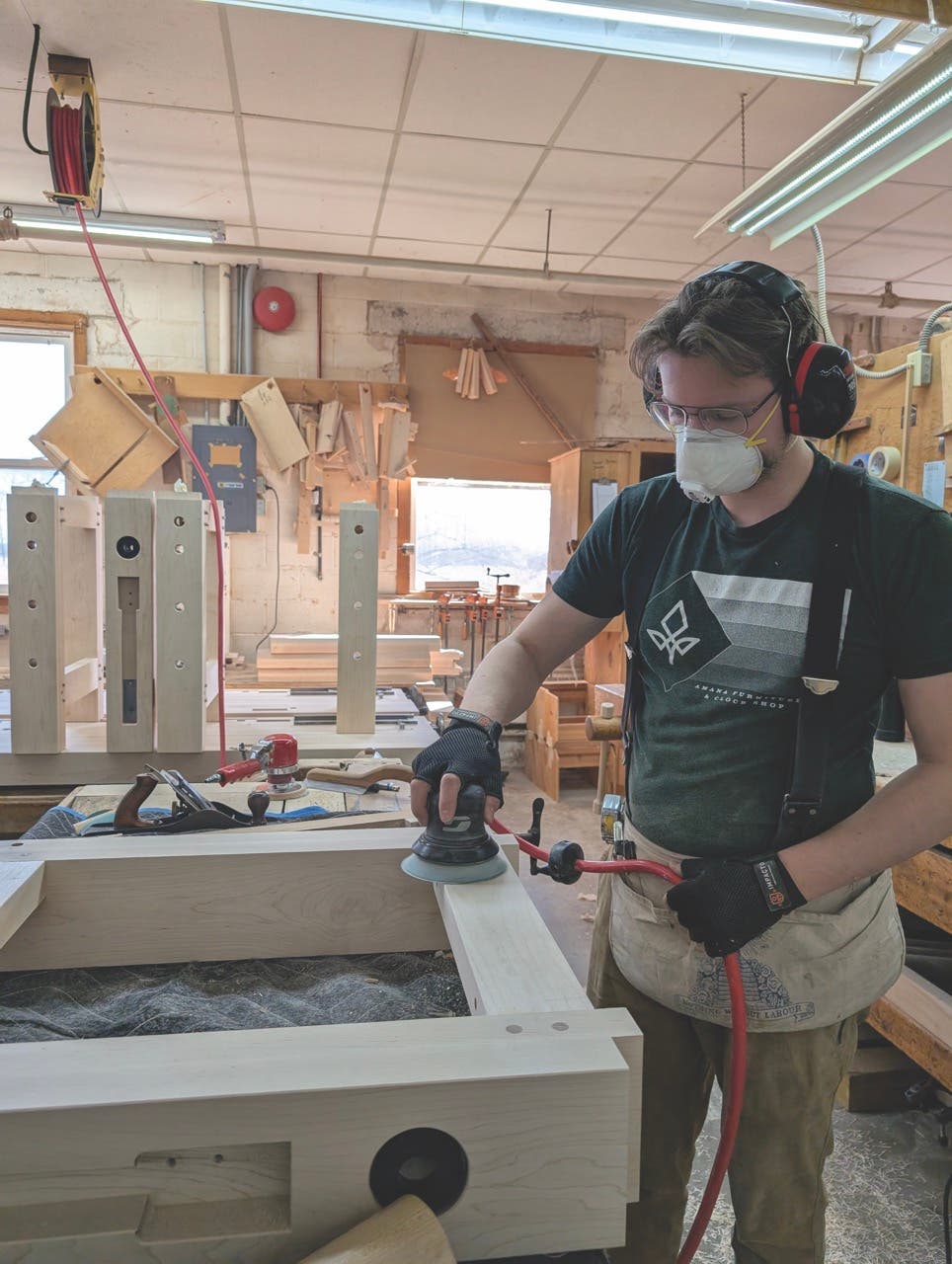
manager Brian Warnke.
"Doug wanted someone who could continue the legacy of the company. I was interested," Agrawal said. "I have a background in engineering and spent most of my career working for sheet metal fabrication shops managing the engineering departments."
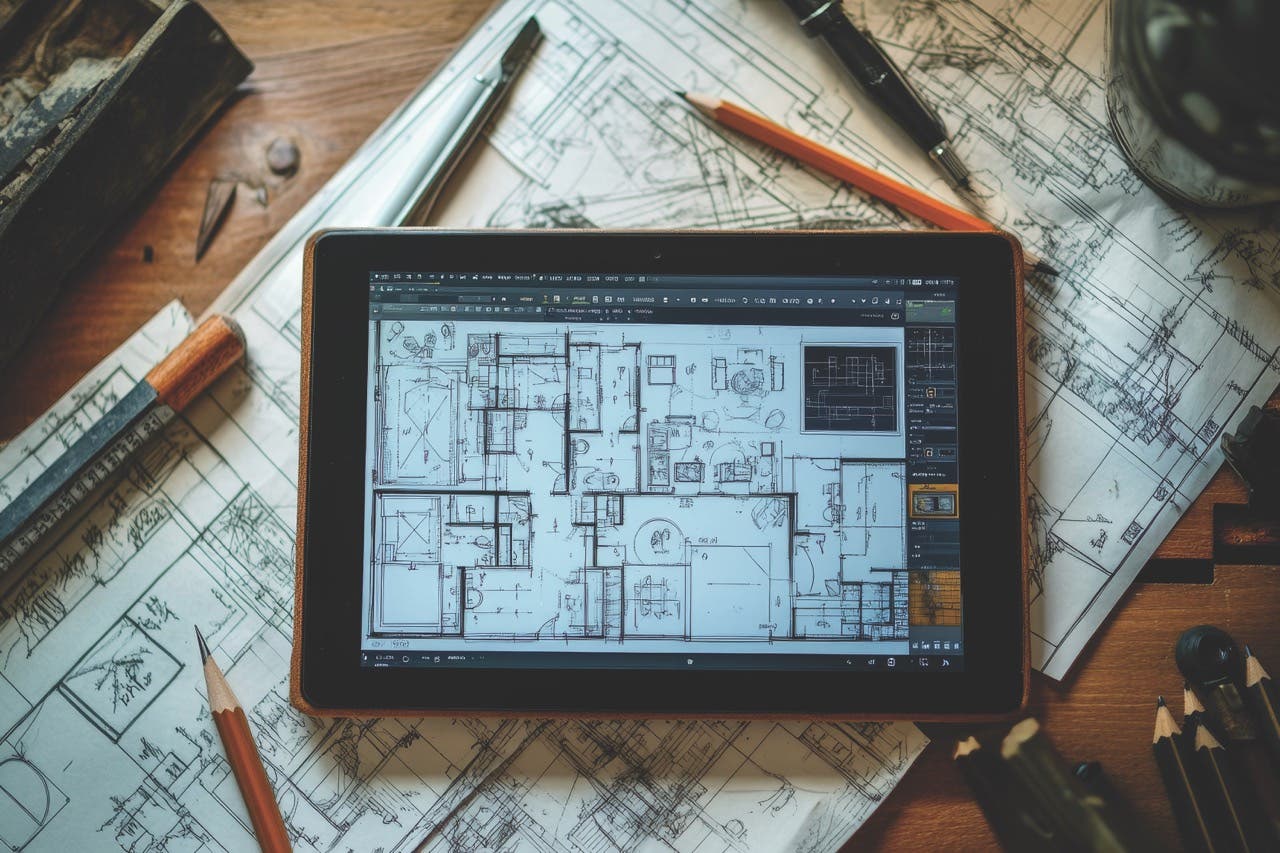
Agrawal previously worked at Weather-Rite, a manufacturer of air handlers and infrared heaters. He noticed similarities in how practices were implemented. He was particularly impressed with the shop setup having multiple departments, with a design department being the first point of contact for exploring design options and project goals. Once a plan is completed, the project goes through production all the way to finish and installation.
“Doug had a sales department of designers, engineering department, and they do all the detailed design drawings and shop drawings and everything, and then we have a production supervisor, installation and finishing — everything was set up. It was not a hodgepodge system where everyone is doing everything, or if one person was gone, they were left with an issue. I liked that it was a scalable business with people in place,” says Agrawal.
After taking over, Agrawal faced challenges exacerbated by the COVID-19 pandemic but pushed through to implement process improvements.
Modernizing operations
Agrawal applied agile methodology — a flexible approach common in software development that breaks large projects into small, manageable cycles — to the cabinet shop's operations.
“A majority of my background is in management, but I also have experience in the agile process. In the IT world, if you’re looking at software, you do a lot of testing to complete the software. Agile is to change only the modules, and get the feedback from the customer, and then make the modifications, if needed.
“How this translates to the construction world, for example, is if you’re working on a three-story building, you have plans and details, but if you build everything and then customer doesn’t like a color, instead of going in and doing all three floors, you start with one and then see if he likes it.”
The shop now holds daily 10-minute stand-up meetings where crew members share progress updates to maintain quality control.
Agrawal also implemented Rally, a project management software platform typically used in tech industries.
“Before I took over, Doug was using a spreadsheet to manage the schedule. The software we implemented was used in software industries, not in manufacturing. It's out-of-the-box software, and I just modified it. I think a lot of small shops who cannot afford ERP would benefit from Rally,” he says.
“It will tell you where every cabinet is on the shop floor, what we can do, and what we cannot do. We will map out the whole schedule, and it will tell you how much work we can take on. From my office, I can tell you what jobs are being worked on, and what capacity we have if an inquiry is on whether I can take on a project this month.”
Market position
The company specializes in high-end custom cabinetry but also offers semi-custom lines for residential and commercial clients seeking unique products at lower price points.
About 90 percent of the work is residential, with remodeling accounting for 60 percent and new construction making up the remaining 40 percent. Remodeling projects typically involve homes valued at $500,000 to $700,000, while new construction projects are in homes worth $2 million and up.
The company completes 100 to 120 projects annually, ranging from full kitchens to smaller areas like fireplace surrounds, mudrooms and bathrooms. Most jobs are in the Twin Cities area, particularly in Edina, Wayzata and Minnetonka, though the company occasionally takes on out-of-state projects for existing clients.
"Remodeling is still strong in Minneapolis-St. Paul. There are some pretty old houses here, and we do a lot of renovations in them," Agrawal said.
Business comes primarily through word of mouth from builders, designers, remodelers, property managers and homeowners. Commercial clients have included retail stores and breweries. Agrawal aims to increase commercial work to 30 percent of the business to weather economic shifts.
Looking ahead, Agrawal is monitoring potential impacts from tariffs on overseas cabinetry.
"I hope it will bring more business to local shops," he said. "Most imported cabinetry is ready-to-assemble. If RTA becomes too expensive, demand for semi-custom will increase."
Looking ahead
Agrawal says business has been steady for the past four years, and he's confident about expansion prospects.
“During Covid years it was very busy for home improvement. I could have doubled sales and my business size if I had employees and material to buy. After the pandemic things flattened out and became more stable like it was pre-Covid.”
In addition to his system implementations, Agrawal initially wanted to expand the size of the company and increase volume. Those plans were delayed as he had to purchase the building and invest capital in it. He currently leases an additional 15,000 sq. ft. for expansion.
“When I bought this business, the landlord that originally built all these buildings had almost 1 million square feet. In 2023, they sold that portfolio of their real estate to an outside investor. My lease was up six months later, and they increased my rent. They asked me to sign a 10-year lease and all that, then we negotiated as it was more cost effective to buy. My plan was to expand the business, but instead of expanding, I had to invest in real estate. So now, I’m back to what I want to do, and going to expand.”
Recently, a second showroom has been added to display additional semi-custom options and renovation services it now offers. Agrawal says the former owner is proud to see how the company has progressed and satisfied it's being well cared for.
“Doug stops in occasionally. He wants this to be successful. He wants it to grow. He’s very proudthat we’ve added another showroom.”
Learn more at stevencabinets.com.
Originally published in the January 2026 issue of Woodshop News.