
Old growth, modern treasure
At St. Albans Cathedral, the old Norman construction is incredible, but the woodworking is out of this world
I’m always impressed by old-growth wood and things made with it. Creating something from a tree that’s been around for several hundred years, rather than one cultivated specifically for harvest, immediately adds a sense of soul and antiquity. But what if the creation itself is old? I mean really, really old. You can practically feel wisdom radiating from it.
On our recent trip to the UK, we headed outside London to the small town of St. Albans. While our goal everywhere we went was to soak up England’s history and ambiance, we visited St. Albans specifically to see St. Albans Cathedral, one of the finest old cathedrals still in regular use. (And to enjoy lunch and a few pints at the oldest pub in England, of course.)
Built in 1077, the cathedral is still active, with both services and a wedding being held the day we were there. The old Norman construction is incredible, but the woodworking is out of this world, with countless examples of centuries-old craftmanship in walls, wainscotting, furniture, arches and more.
But a highlight was a pair of doors from the original cathedral entrance, which you can see in the above photo. Oddly, the doors aren’t solid wood, but instead they’re constructed of four layers of 1" thick oak panels held together by a pattern of iron nails for maximum structural rigidity — yep, Medieval plywood. The outer layer of oak is deeply carved with intricate designs.
Between the multiple oak layers and all that iron hardware, they weigh between a ton to a ton-and-a-half each. Constructed and mounted in the 1400s, both 5’x14’ doors were swung wide for religious processions, but considering their weight, for daily use a smaller hinged inset called a “wicket door” allowed access to the building.
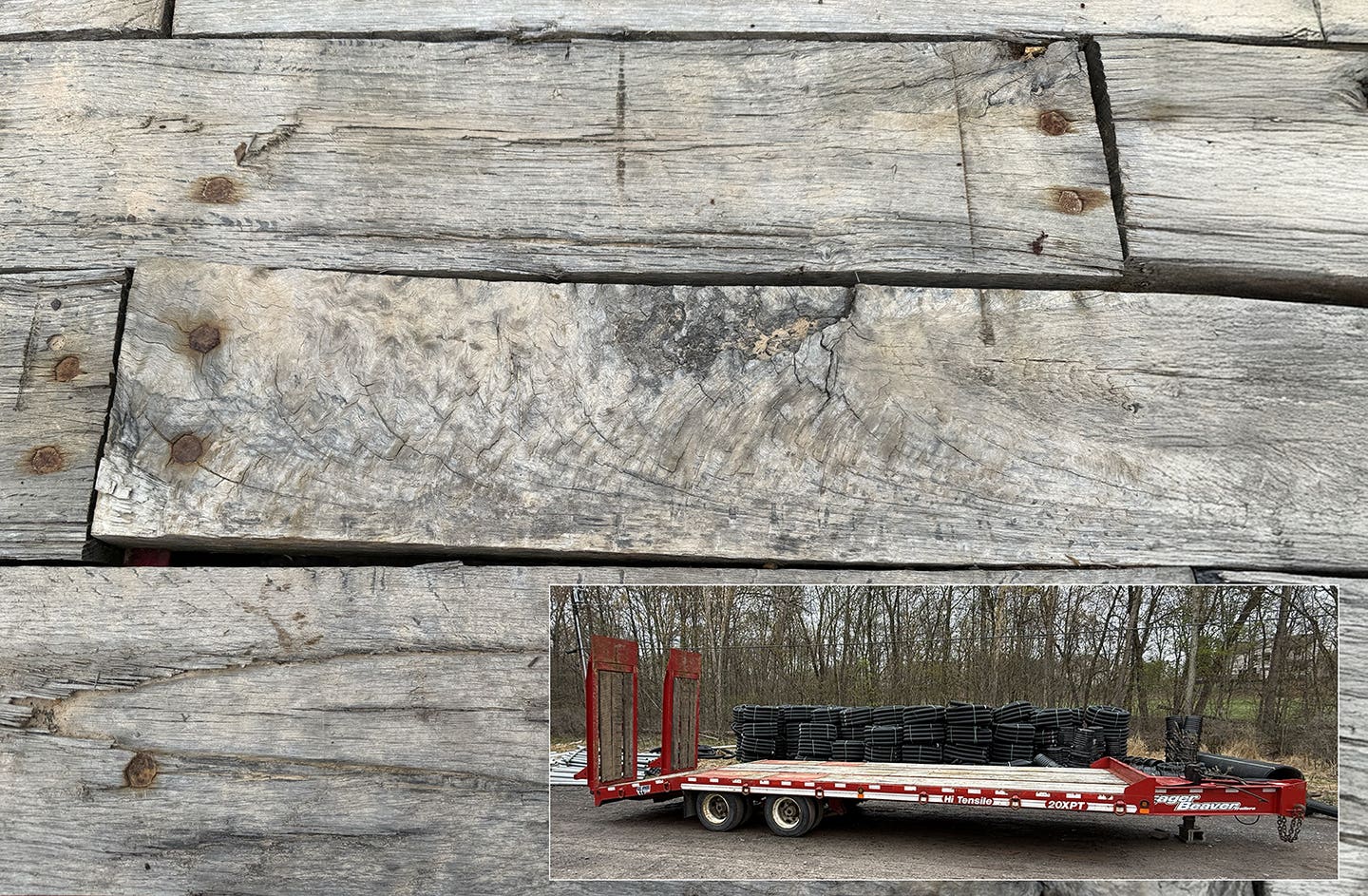
Of course, the doors were made with old-growth oak — no timber farms around in those days and certainly no Ye Olde Big Box stores to grab a pickup truck full. But somehow, the fact that they’re still as sturdy as they are after more than 600 years makes that growth older still, and even more amazing.
A.J. Hamler is the former editor of Woodshop News and Woodcraft Magazine. He's currently a freelance woodworking writer/editor, which is another way of stating self-employed. When he's not writing or in the shop, he enjoys science fiction, gourmet cooking and Civil War reenacting, but not at the same time.