

Start with wood, not words
Woodworking directly channels veterans’ strengths, such as discipline, patience, attention to detail, and mental focus. It’s no surprise, then, that there are so many shops dedicated to helping veterans
The arts have always been an effective therapy for helping veterans and others dealing with PTSD and physical injuries. A sense of control, reducing stress, and creating an emotional distance from trauma are just some of the benefits.
Woodworking is particularly good at this, according to The Invisible Wounds Project, a Minnesota-based nonprofit organization that provides support services to veterans and first responders. “Sometimes healing doesn’t start with words,” they said. “Sometimes it starts with a block of wood, a few good tools, and a little bit of patience. That’s the quiet magic of the woodshop.”
The organization points out that woodworking directly channels veterans’ strengths, such as discipline, patience, attention to detail, and mental focus. It’s no surprise, then, that there are so many shops dedicated to helping veterans.
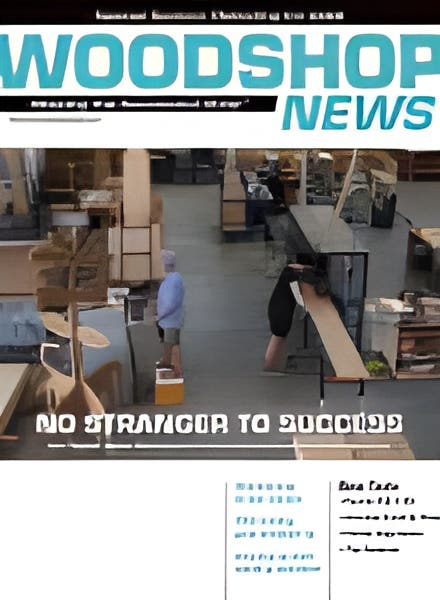
You can see two excellent examples in the photo above. Woodworking Warriors of Tipton, Mich., offers a variety of project classes from simple crafts to boxes to furniture, plus several lathe-specific classes. (Lathe work seems to be extremely popular with veteran-centered woodshops like these.) In addition, open shop hours are offered every Friday and Saturday.
Cape Cod Woodworkers Foundation is a veteran-owned and operated shop in Falmouth, Mass. They, like most of the veteran-centered shops of this kind, offer free shop time and tool instruction, but they also take a step further. For vets who are interested in possibly pursuing woodworking professionally, they even provide business guidance.
There are countless programs and shops like these dedicated to helping veterans using woodworking as a very literal hands-on therapy. There’s almost certainly one within a reasonable distance of just about any location. A simple Google search for “veteran woodworking programs near me,” or “veteran woodshop near me” should turn up several possibilities.
The Invisible Wounds Project noted, “When your hands are busy, your mind gets a chance to slow down. The noise fades. You focus on the grain, the cut, the next step.”
I think we woodworkers have known that all along.
A.J. Hamler is the former editor of Woodshop News and Woodcraft Magazine. He's currently a freelance woodworking writer/editor, which is another way of stating self-employed. When he's not writing or in the shop, he enjoys science fiction, gourmet cooking and Civil War reenacting, but not at the same time.


